K-Rail Barriers: A Critical Safety Solution for Modern Construction Projects
K-Rail Barriers: A Critical Safety Solution for Modern Construction Projects
In today’s construction environment, jobsite safety and traffic control are non-negotiable. Whether the project involves roadway improvements, utility installation, bridge work, or commercial development, protecting workers, motorists, and pedestrians is a top priority. One of the most reliable and widely used solutions is K-rail concrete barriers.
K-rail barriers have become a standard across public and private construction projects due to their durability, versatility, and proven performance in real-world conditions.
What Is K-Rail?
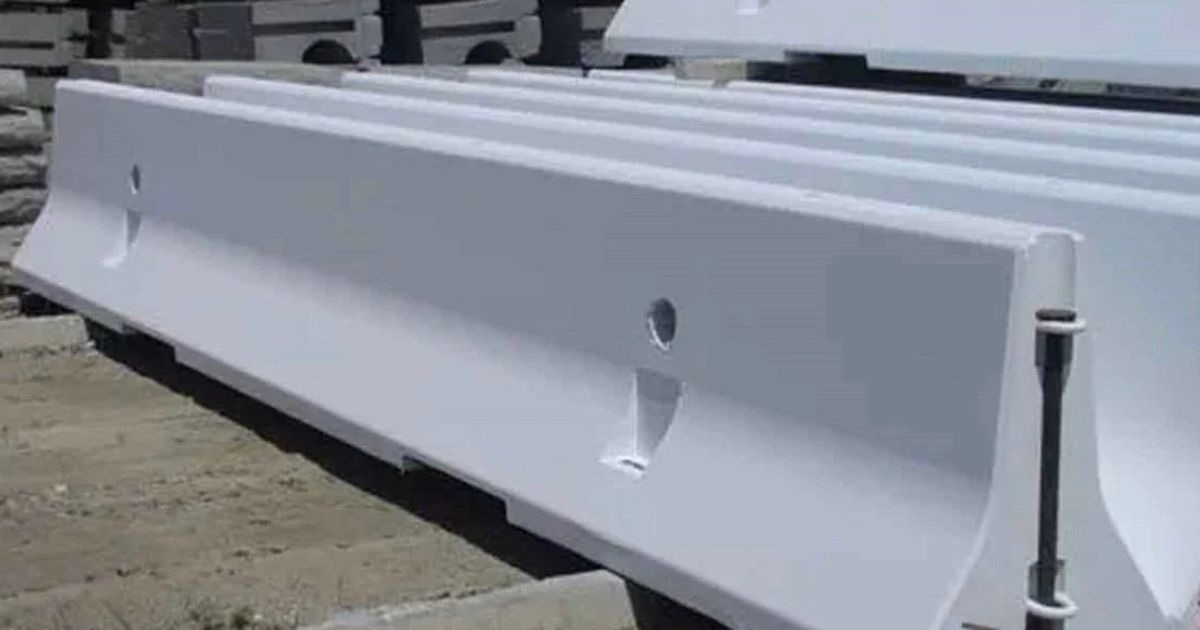
K-rail is a precast concrete barrier system designed to create physical separation between work zones and active traffic or public areas. Recognizable by its sloped sides and interlocking design, K-rail is engineered to absorb and redirect vehicle impact, reducing the risk of serious injury or intrusion into restricted areas.
These barriers are commonly used in:
- Roadway and highway construction
- Utility and infrastructure projects
- Commercial and residential developments
- Temporary traffic control zones
- Event and crowd control near construction sites
Why K-Rail Is Essential on Construction Sites
Construction zones present constantly changing hazards. Open trenches, heavy machinery, limited visibility, and active traffic all increase risk. K-rail barriers provide a physical layer of protection that signage or cones alone cannot achieve.
Key benefits include:
1. Worker Safety
K-rail creates a solid barrier between workers and moving vehicles, helping prevent accidental intrusions into work zones. This is especially critical in high-speed or high-volume traffic areas.
2. Traffic Control and Flow
By clearly defining lanes and work areas, K-rail helps guide vehicles safely through or around construction zones, reducing confusion and sudden maneuvers.
3. Durability and Stability
Unlike plastic barriers or temporary fencing, K-rail is heavy, stable, and resistant to weather, wind, and impact. It stays in place where lighter solutions fail.
4. Compliance With Safety Standards
Many municipalities and transportation authorities require concrete barriers for certain projects. Using K-rail helps meet regulatory and insurance requirements while reducing liability exposure.
Common Applications of K-Rail in Construction
K-rail is adaptable and can be deployed in multiple configurations depending on project needs:
- Roadway lane separation during paving, striping, or bridge work
- Perimeter protection around active construction zones
- Pedestrian safety corridors near sidewalks and public access areas
- Equipment and material containment on large job sites
- Temporary median barriers for traffic shifts and detours
Because K-rail sections interlock, they can be installed in straight lines, curves, or complex layouts to match site conditions.
Temporary vs. Long-Term Use
One of the biggest advantages of K-rail is flexibility. Barriers can be installed temporarily and removed once the project is complete, or used for extended durations on long-term infrastructure jobs.
Temporary installations are ideal for:
- Short-term road closures
- Utility repairs
- Emergency response work
Long-term installations work well for:
- Multi-phase construction projects
- Highway expansions
- Urban redevelopment zones
Installation and Logistics Considerations
While K-rail is highly effective, proper installation is critical. Barriers should be placed according to approved traffic control plans and local regulations. Spacing, anchoring, and alignment all affect performance.
Most contractors choose to work with professional barrier providers who handle:
- Delivery and pickup
- Crane or forklift placement
- Proper interlocking and alignment
- Adjustments as project phases change
This ensures safety compliance and keeps the project moving without delays.
The Bottom Line
K-rail barriers are more than just concrete blocks — they are a core safety system for modern construction projects. Their strength, reliability, and adaptability make them an essential tool for protecting workers, controlling traffic, and minimizing risk.
For contractors and project owners alike, investing in proper K-rail deployment is not just about meeting requirements — it’s about doing the job safely, professionally, and responsibly.